![Top 5 Chemical Manufacturers Specializing in High-Performance Resins in Japan [Latest 2026]](https://growth-marketing-lab.com/marketing/wp-content/uploads/2025/08/publishing-3-9-1024x768.jpg)
Discover Japan’s top 5 high-performance resin manufacturers leading the global resin market in 2026. From epoxy resins to specialty resins, find the right partner for your industrial needs.
The Role of High-Performance Resins in Japan’s Advanced Manufacturing Ecosystem
How Specialty Resins Power Industries Such as Automotive, Electronics, and Aerospace in Japan
Japan’s resin industry supports industries such as automotive, electronics, and aerospace by supplying high performance resin products engineered for mission-critical applications. Specialty resins deliver the chemical resistance, heat resistance, and mechanical durability these sectors demand.
Key Differences Between Epoxy Resins, Polyester Resins, and Polyurethane Resins
Epoxy resins offer excellent adhesion and chemical resistance. Polyester resins are widely used in automotive construction. Polyurethane resins provide versatility across industrial coatings and composite materials, making each resin type distinct in performance and application scope.
How the Global Resin Market Is Evolving With New Resin Technologies and Bio-Based Materials
The global resin market is shifting toward bio based materials and new resin technologies. Resin manufacturers are developing sustainable resin solutions and recyclable resins to meet environmental regulations while maintaining high performance resin standards across the global resin industry.

Top 5 Chemical Manufacturers Specializing in High-Performance Resins in Japan
Otsuka Chemical Co., Ltd.
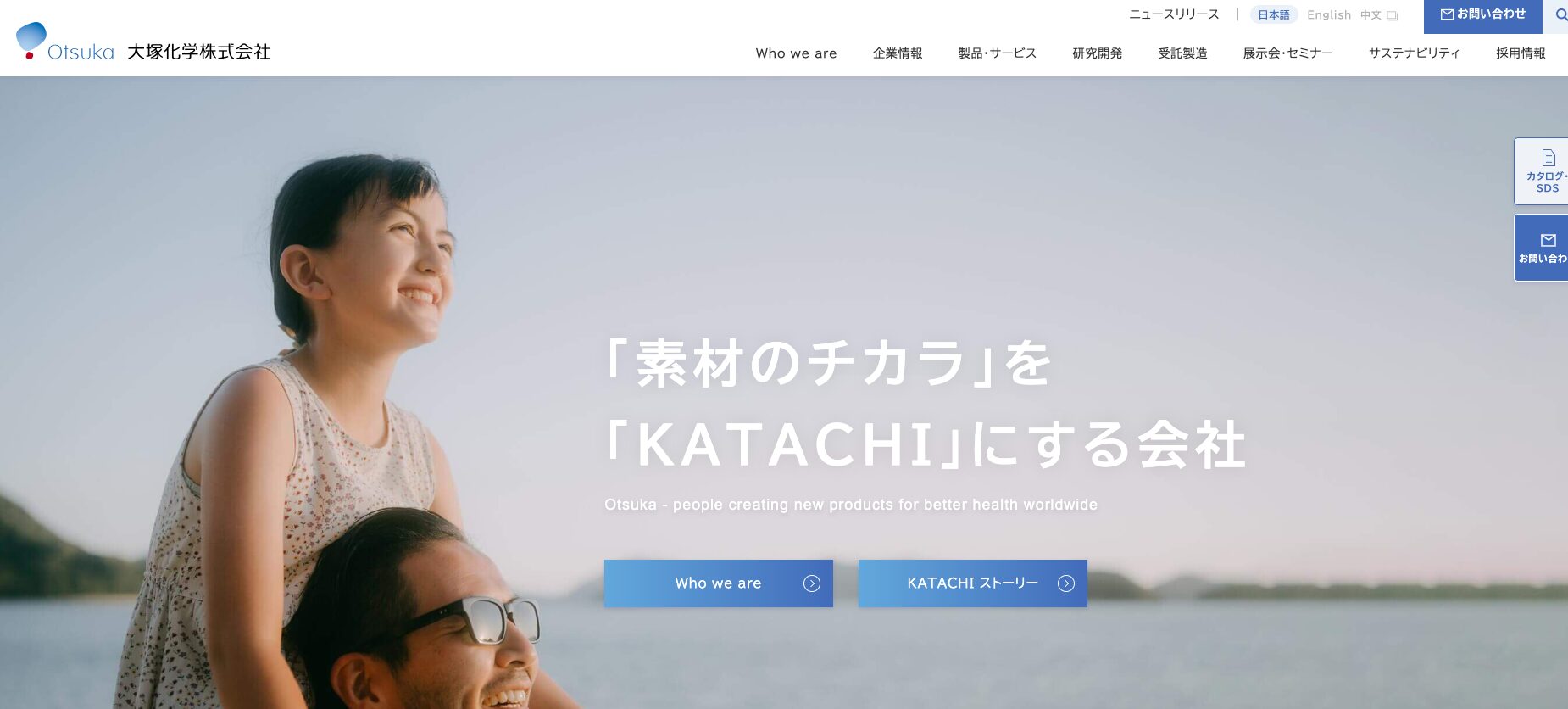
Company / Service Overview
Otsuka Chemical Co., Ltd., the chemical business company of the Otsuka Group, is a manufacturer engaged in the development, production, and sales of a wide range of chemical products, from inorganic materials and organic chemicals to fine chemicals and specialty chemicals. Since its founding in 1950, the company has grown into a global enterprise with consolidated sales of JPY 81.3 billion, more than 2,500 employees, and 20 locations worldwide, providing materials and functional chemicals to a wide variety of industries, including automotive, electronic components, pharmaceuticals, and food.
With the vision of “Shaping the Power of Materials,” the company offers a highly distinctive product lineup, including titanate-based inorganic filler materials and resin composite materials created through its proprietary control technologies, as well as rubber additives, hydrazine derivatives, living radical polymerization polymers, and pharmaceutical active ingredients and intermediates. It also provides contract manufacturing services and, as a research and development-driven company, pursues contributions to the global environment and enriched lifestyles by creating new value through co-creation with customers.
Features
- Develops and supplies high-performance materials based on proprietary technologies, such as titanates and resin composite materials, for a wide range of industries including automotive, electronic components, and medical fields
- Offers a broad product portfolio covering inorganic, organic, and fine chemicals, along with contract manufacturing capabilities
- Leverages a global network of 20 locations and the resources of the Otsuka Group to ensure stable supply and strong research and development capabilities
| 会社名 | Otsuka Chemical Co., Ltd. |
|---|---|
| 本社 所在地 |
3-2-27 Otedori, Chuo-ku, Osaka-shi, Osaka |
DIC Corporation
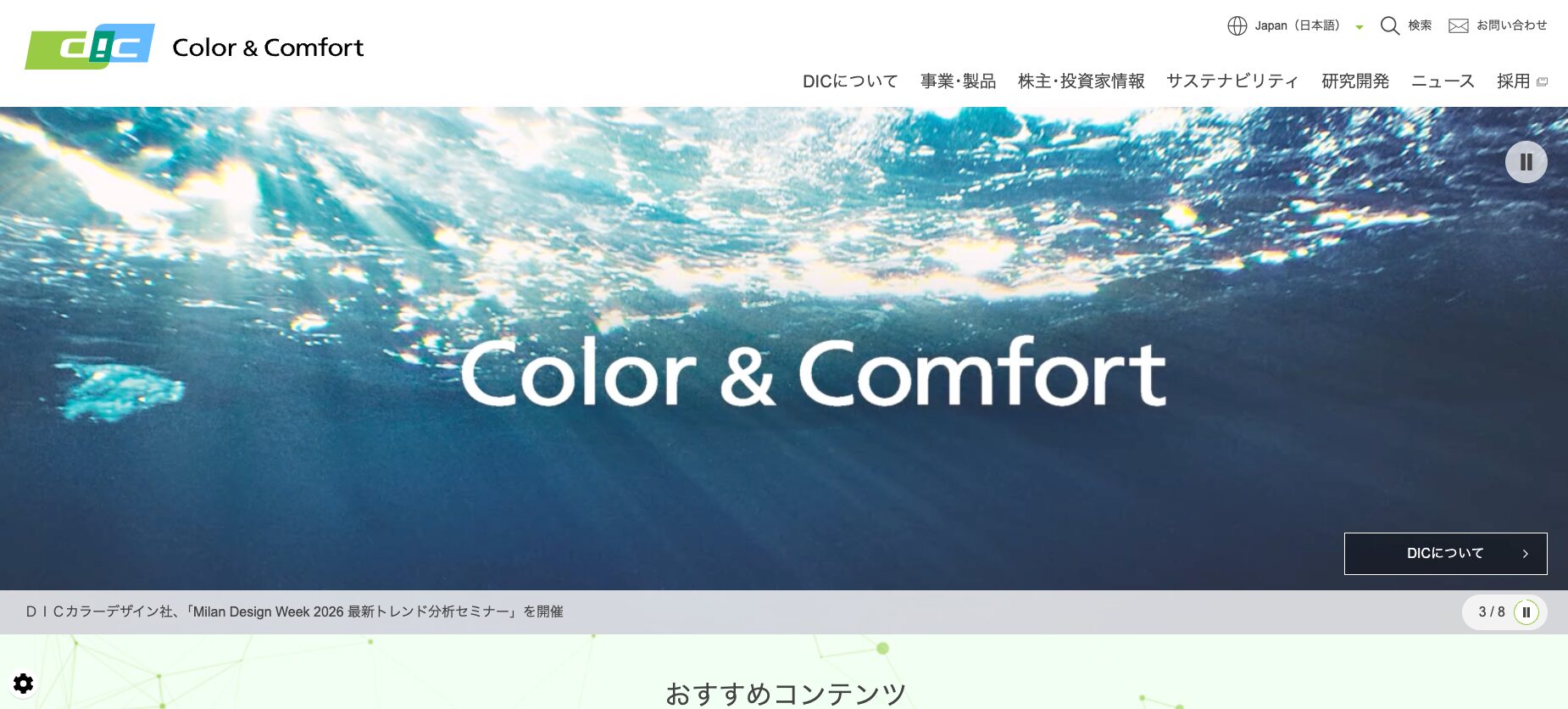
Company / Service Overview
DIC Corporation is a global fine chemicals manufacturer that supports a wide range of industries through the power of materials, with printing inks, organic pigments, and synthetic resins at the core of its business. The company offers products for a broad variety of fields, including printing inks for publishing and packaging, as well as applications in automobiles, electronic devices, food, medical care, and housing. It possesses advanced technological capabilities and extensive experience in the areas of color and functional materials. Leveraging its production and sales network across Japan and overseas, DIC contributes to the development of society and industry by providing high-value-added materials tailored to customer challenges.
In addition, based on the expertise it has cultivated over many years in color design, dispersion, resin design, and material development, the company is also focused on developing environmentally conscious products and high-performance materials. To help realize a sustainable society, DIC promotes the enhancement of packaging material functionality, initiatives for resource circulation, and the provision of advanced materials in the electronics and mobility fields. Going beyond the role of a simple materials supplier, the company provides solutions globally as a partner that supports customers in enhancing product value and strengthening market competitiveness.
Features
- One of the world’s leading fine chemicals manufacturers, with printing inks, pigments, and resins as its core businesses
- A broad product portfolio supporting diverse industries such as packaging, electronics, automobiles, housing, and medical care
- Contributing to the realization of a sustainable society through the development of environmentally conscious products and high-performance materials
| 会社名 | DIC Corporation |
|---|---|
| 本社 所在地 |
DIC Building, 3-7-20 Nihonbashi, Chuo-ku, Tokyo |
TOSOH CORPORATION
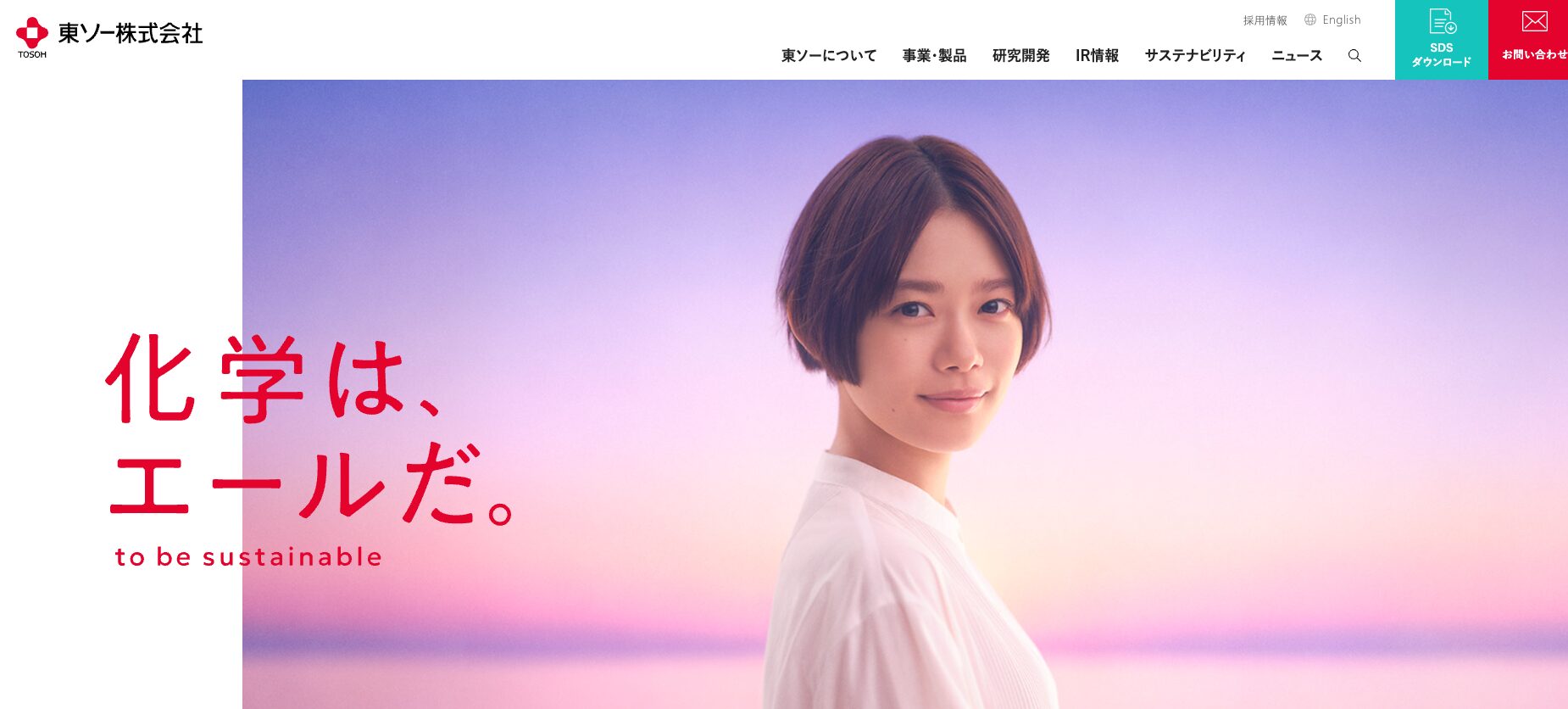
Company / Service Overview
Tosoh Corporation is a diversified chemical manufacturer offering a broad range of products, including vinyl chloride monomer, polyethylene, functional polymers, chemicals, cement, urethane raw materials, electronic materials, and bioscience-related products. While grounded in petrochemicals, the company supports manufacturing across a wide variety of industries through the development and supply of functional products and high-value-added materials. One of its key strengths is its integrated business portfolio, spanning from basic chemicals to advanced materials, supported by production and sales bases in Japan and overseas.
In addition, Tosoh places strong emphasis on reducing environmental impact and ensuring stable supply. Leveraging its long-established manufacturing technologies, quality control capabilities, and research and development expertise, the company provides products and solutions that contribute to solving social issues. It is also focusing on growth fields such as semiconductors, displays, medical care, and life sciences, strengthening its business foundation through both commodity products and high-performance materials. By utilizing its technological capabilities and scale as a materials manufacturer, Tosoh achieves product development that meets diverse customer needs and maintains a stable supply system.
Features
- A diversified chemical manufacturer operating from petrochemicals to high-performance materials
- Expanding products for growth fields such as semiconductors, medical care, and life sciences
- Supporting a wide range of industries through manufacturing technology, quality control, and stable supply systems
| 会社名 | TOSOH CORPORATION |
|---|---|
| 本社 所在地 |
3-8-2 Shiba, Minato-ku, Tokyo |
NIPPON SHOKUBAI CO., LTD.
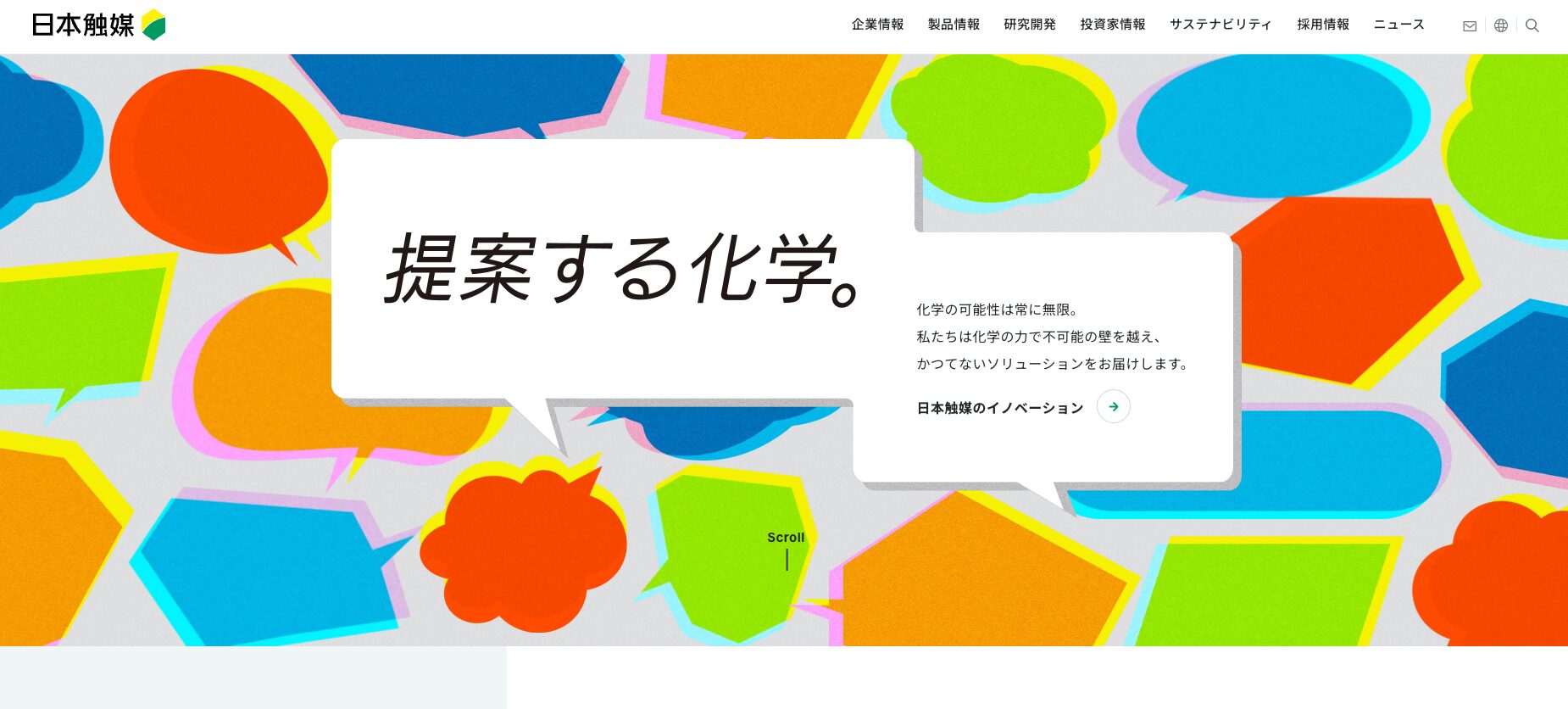
Company / Service Overview
Nippon Shokubai Co., Ltd. is a comprehensive chemical manufacturer that consistently handles everything from research and development to the production and sales of chemical materials, based on its catalyst technologies. The company offers a wide range of products, including acrylic acid, superabsorbent polymers, ethylene oxide derivatives, functional chemicals, battery materials, and electronic information materials, supporting diverse industries such as diaper materials, automobiles, housing, ICT, medical care, and energy. Leveraging its proprietary catalyst and synthesis technologies cultivated over many years, the company achieves high quality and stable supply while building a global business foundation that responds to customer needs in Japan and overseas.
In addition, the company is committed to initiatives aimed at reducing environmental impact and realizing a sustainable society, promoting contributions to resource conservation, decarbonization, and resource circulation through product development. By utilizing its technological capabilities and production capacity covering everything from basic chemicals to high-value-added materials, the company seeks to balance the resolution of social issues with industrial development and is enhancing its presence in the global market.
Features
- Broad business portfolio ranging from basic chemicals to high-performance materials, with catalyst technology at its core
- Strong market competitiveness in superabsorbent polymers and acrylic acid-related products
- Promoting next-generation technology development in the environmental, energy, and electronic materials fields
| 会社名 | NIPPON SHOKUBAI CO., LTD. |
|---|---|
| 本社 所在地 |
Kogin Bldg., 4-1-1 Koraibashi, Chuo-ku, Osaka-shi, Osaka |
Shin-Etsu Chemical Co., Ltd.
Company / Service Overview
Shin-Etsu Chemical Co., Ltd. is a comprehensive chemical manufacturer with a broad business portfolio spanning polyvinyl chloride resin, semiconductor silicon, silicones, cellulose derivatives, and electronic and functional materials. The company holds world-class market shares in a range of products and has built a foundation that supports industry and everyday life by supplying high-performance materials to diverse fields such as infrastructure, housing, automobiles, electronic devices, and healthcare. As one of Japan’s leading materials manufacturers, it operates production and sales bases both in Japan and overseas and demonstrates strong competitiveness in global markets.
Leveraging its advanced technological development capabilities and quality control expertise cultivated over many years, the company has established a broad product portfolio ranging from general-purpose materials to high-value-added products. It is strengthening capital investment and stable supply systems in response to demand trends, while its integrated business operations combining R&D, production, and sales enable it to meet diverse customer needs. At the same time, the company is committed to providing materials that support advanced industries and creating new value, while giving consideration to reducing environmental impact and realizing a sustainable society.
Features
- Maintains world-class competitiveness in products such as PVC, semiconductor silicon, and silicones
- Offers a broad business portfolio ranging from basic materials to high-performance functional materials
- Expands its business in global markets through technological development capabilities, quality control expertise, and a stable supply system
| 会社名 | Shin-Etsu Chemical Co., Ltd. |
|---|---|
| 本社 所在地 |
Asahi Seimei Otemachi Bldg., 2-6-1 Otemachi, Chiyoda-ku, Tokyo |

What to Know Before Selecting a High-Performance Resin Manufacturer in Japan
Evaluating Chemical Resistance, Heat Resistance, and Resin Formulations for Industrial Applications
When assessing resin manufacturers, chemical resistance and heat resistance are critical benchmarks. Epoxy resins offer superior chemical resistance for industrial coatings and construction, while phenolic resins excel in high-heat automotive construction environments. Always request detailed resin formulations data before committing to a supplier.
Certifications and Quality Standards Leading Resin Manufacturers Must Meet for Regulated Industries
Leading resin manufacturers must hold ISO 9001 and AS9100 certifications for aerospace and defense applications. Manufacturers should provide certified grades with full raw material traceability and comprehensive batch testing. Compliance with FDA standards is equally essential for medical and food-contact resin products.
How to Choose the Right Resin Manufacturer for Automotive Construction and Electronics Industries
For automotive construction and electronics industries, prioritize resin manufacturers offering a wide range of polyester resins, polyurethane resins, and epoxy resins with proven OEM-approved track records. Evaluate production facilities, technical support depth, and the manufacturer’s ability to produce resins meeting application-specific thermal and mechanical thresholds.
Sustainability Practices Japanese Resin Manufacturers Are Adopting in Their Resin Production Processes
Japanese resin manufacturers are investing heavily in bio based feedstocks and recyclable resins to meet tightening environmental regulations. Many are developing sustainable resin solutions that reduce carbon emissions across the resin production process while maintaining high performance standards demanded by global markets.
Key Factors for Assessing Resin Manufacturers That Develop Customized Resin Solutions
When evaluating partners that develop customized resin solutions, assess their R&D investment levels, application engineering capabilities, and supply chain management infrastructure. Timely delivery, raw materials sourcing resilience, and a demonstrated history of delivering specialty resin products for regulated industries are essential differentiators.

Comparing Resin Products Across Japan’s Top Resin Manufacturers
Specialty Resins vs. Standard Synthetic Resins — Performance and Application Differences
Specialty resins outperform standard synthetic resins in chemical resistance, heat resistance, and mechanical durability. While synthetic resins suit general applications, specialty resins are engineered for mission-critical environments where performance degradation is unacceptable across the resin industry.
High-Performance Resin Applications in Composite Materials, Industrial Coatings, and Engineering Plastics
High performance resin products enable advanced composite materials for aerospace, durable industrial coatings for infrastructure, and precision engineering plastics for electronics industries — each demanding resin technologies that standard materials simply cannot deliver reliably.
How Resin Manufacturing in Japan Measures Up Against Global Competitors Such as Dow Chemical and BASF
Japanese resin manufacturers rival Dow Chemical Company, an american multinational chemical corporation, and BASF SE, a german multinational chemical company, in specialty resin innovation. While Dow Chemical operates across 170 countries, Japanese producers lead in precision epoxy resins and silicone resin technologies for electronics and aerospace sectors.

Trends Shaping Japan’s Resin Manufacturing Industry in 2026
The Rise of Bio-Based and Recyclable Resins in Japanese Resin Production
Japanese resin manufacturers are accelerating investment in bio based and recyclable resins as environmental regulations tighten globally. Driven by circular economy goals, leading producers are replacing petroleum-derived raw materials with renewable bio based feedstocks, delivering more sustainable resin products without sacrificing high performance standards across industries such as automotive and electronics.
Advanced Manufacturing Processes and Edge Resin Technologies Driving the Global Resin Industry Forward
Edge resin technologies and advanced manufacturing processes are reshaping resin production across the global resin industry. New resin technologies enable improved performance in heat resistance, chemical resistance, and mechanical durability, positioning Japanese resin manufacturers competitively against global rivals in specialty resins and composite materials applications.
Supply Chain Management and Raw Materials Challenges Facing Japanese Resin Manufacturers
Volatility in raw materials pricing and logistics disruptions continue to challenge resin manufacturing operations. Japanese manufacturers are strengthening supply chain management strategies, diversifying sourcing of key raw materials, and expanding local production facilities to ensure stable delivery of high quality resins to global customers.

How to Partner With the Right Japanese Resin Manufacturer for Your Business
Questions to Ask When Evaluating Resin Manufacturers for Quality Resin Products and Technical Support
When evaluating resin manufacturers, prioritize suppliers who offer a wide range of resin products, demonstrate proven chemical resistance and heat resistance data, and provide dedicated technical support. Confirm certifications such as ISO 9001, ask about customized resin solutions capabilities, and assess responsiveness to application-specific resin formulations requirements.
Building a Long-Term Relationship With a Reliable High-Performance Resin Manufacturer in Japan
A reliable high performance resin manufacturer should function as a strategic partner, not merely a supplier. Prioritize manufacturers investing in sustainable resin solutions, new resin technologies, and bio based innovation. Long-term partnerships with Japanese resin manufacturers deliver consistent quality resin products, collaborative R&D access, and supply chain resilience critical for industries such as automotive construction and electronics industries.

FAQ
Where does Dow Chemical operate
Dow Chemical operates in over 170 countries worldwide. ExxonMobil produces polyethylene and polypropylene resins.
Where are SABIC and BASF based
SABIC is based in Riyadh, Saudi Arabia. BASF SE is one of the largest chemical producers globally.
What do Hexion and LyondellBasell specialize in
Hexion specializes in thermoset resins and related technologies. LyondellBasell is headquartered in Rotterdam, Netherlands.
How is sustainability integrated into resin manufacturing
Many manufacturers focus on developing bio-based resins. Resin manufacturers are enhancing recycling processes to reduce waste.
Which companies lead in sustainable resins
SABIC emphasizes sustainability in its resin production practices. Braskem produces bio-based resins to minimize environmental impact.
What drives sustainable resin solutions
Environmental regulations drive the development of sustainable resins. High-performance resins are utilized in mission-critical applications.
What molecular systems is Huntsman known for
Huntsman is recognized for advanced epoxy and polyurethane molecular systems. Material shortages can halt advanced manufacturing operations.
How are high performance resins processed safely
Processing high-performance resins requires specialized machinery and strict thermal management.
What are the properties of Huntsman resin portfolios
Huntsman’s resin portfolios retain superior mechanical and thermal properties under severe stress.
Where do high performance components service
High-performance components service regulated spaces like aerospace and healthcare. Resins are used in automotive interior parts and body panels.
How do epoxy resins protect buildings
Epoxy resins strengthen buildings and protect against moisture. Resins are essential in producing coatings and adhesives.
Where are resins utilized in electronics and construction
Resins are widely used in electronics for circuit protection. Resins are utilized in construction for pipes and insulation materials.
What regulations must resin manufacturers follow
Manufacturers of high-performance resins must align with strict industry regulations.
What do traceability protocols require in resin production
Traceability protocols require comprehensive batch testing and full raw material traceability.
Where are natural and synthetic resins derived from
Natural resins are derived from plant sources like tree sap. Synthetic resins include epoxy, polyester, and polyurethane types.
What are the features of epoxy and polyester resins
Epoxy resins are known for their strength and adhesive properties. Polyester resins are widely used in automotive and construction industries.
What are the applications of polyurethane resins
Polyurethane resins are versatile and used in various applications.
How do you select a reliable resin manufacturer
Selecting a resin manufacturer involves evaluating material reliability and technical support.
What aerospace standards does Huntsman meet
Huntsman maintains compliance with AS9100 and ISO 9001 standards for aerospace and defense.
What certification grades should manufacturers provide
Manufacturers should provide certified grades with specific material classifications.
Why are compliance and certifications critical
Compliance and certifications must align with industry-specific standards like ISO and FDA.
How does quality control benefit resin products
Quality control ensures durable and consistent resin products. Manufacturers should offer a wide product range for reliability.
How does research impact resin formulations
Investing in R&D leads to innovative resin formulations. Sustainability practices are increasingly important in resin manufacturing.
Why is timely delivery critical in resin manufacturing
Timely delivery is crucial for just-in-time manufacturing needs.
What are the top chemical manufacturers specializing in high-performance resins in Japan?
A top high performanceresinmanufacturer like mitsubishichemicalcorporation coltd leads the chemicalindustry in Japan.
What is the difference between epoxy resins, polyester resins, and polyurethane resins?
We use unsaturatedpolyesterresins, acrylicresins, and siliconeresins to alter properties of synthetic resins in variousindustries.
Which Japanese resin manufacturers are the most reliable for industrial applications?
Any leading japanesechemicalcompany produces polyamideresins and industrialresins utilizing advancedtechnology for reliable use.
How do I choose the best resin manufacturer for automotive construction and electronics industries?
Check if they supply acrylonitrilebutadienestyrene for the automotiveindustry and specialtychemicals to ensure top material choices.
What types of high-performance resins are used in aerospace, automotive, and construction industries?
Aerospace and other sectors widely deploy fluoropolymerresins, specialtypolymers, and traditional naturalresins.
What sustainability practices are Japanese resin manufacturers adopting in their resin production processes?
They develop environmentallyfriendlyresins and promote recycledresins to enhance modern eco-friendly chemicalprocesses.
How do specialty resins differ from standard synthetic resins in terms of chemical resistance and heat resistance?
Special mitsubishichemical products feature high resistance, unlike standard ionexchangeresins.
What certifications and quality standards should leading resin manufacturers meet for regulated industries?
A top frenchmultinationalchemicalcompany must strictly meet global quality standards.
How is the global resin market evolving with new resin technologies and bio-based materials?
Every americanmultinationalchemicalcompany drive global resin market evolution.
What factors should be considered when evaluating resin manufacturers for customized resin solutions?
Consider their capability to deliver high-quality materials and bespoke formulations efficiently.